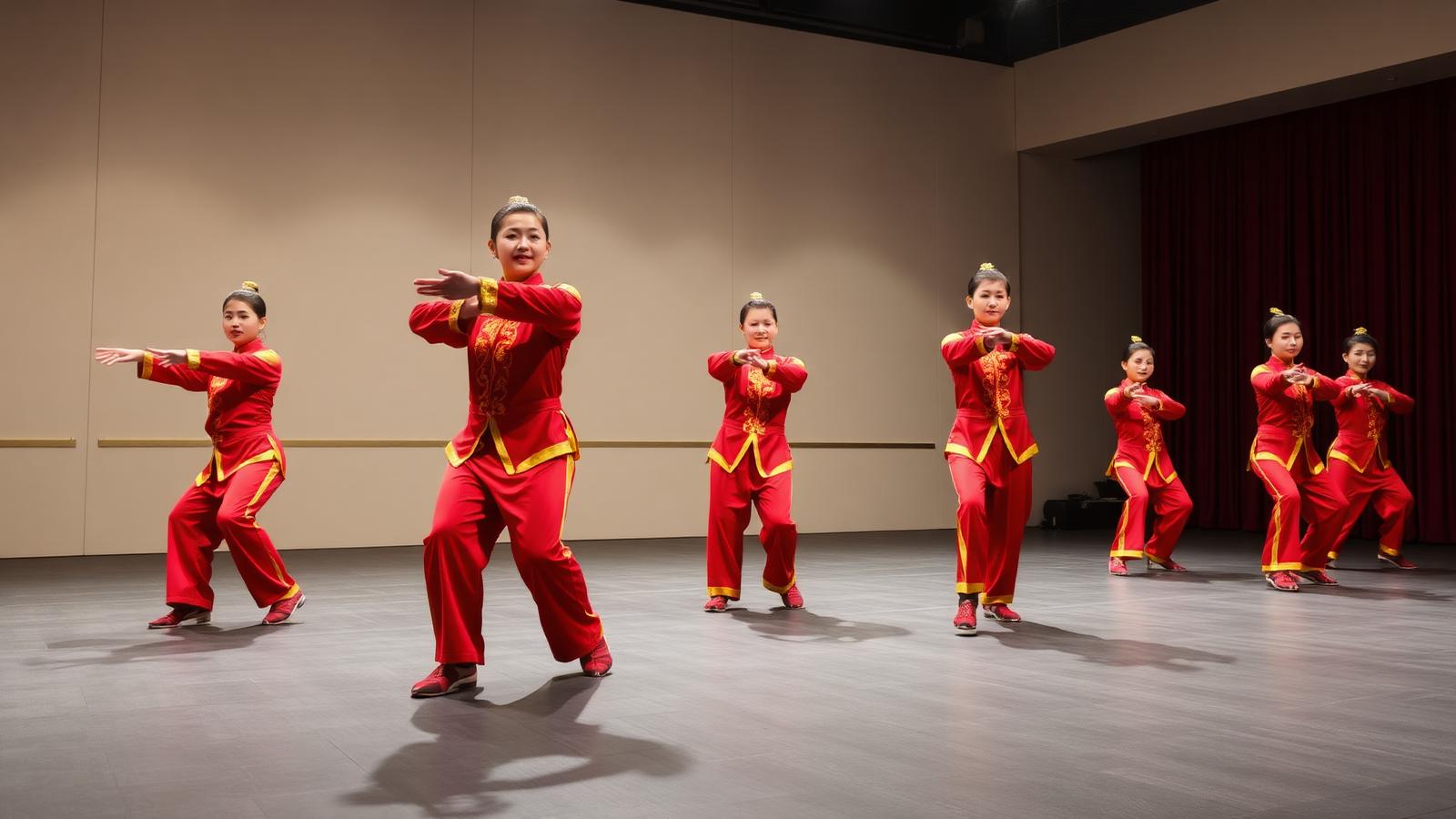
A Living Martial Art Across Singapore.
Wushu in Singapore is sport, culture, performance, school life and community practice all at once. This guide explains what people train, where they train and how to begin.
The local scene
What Singapore Wushu Includes
Community Roots
Singapore Wushu lives in schools, community clubs, private academies, clan associations, performance teams and neighbourhood classes. The scene is compact, connected and easy to enter once you know where to look.
Sport Pathways
Students can move from recreational basics into school teams, inter-school events, club competitions, national selection pathways and overseas exchange or competition opportunities.
Cultural Practice
Beyond medals, Wushu keeps Chinese martial heritage visible through festivals, stage performances, demonstrations and family-friendly classes across the island.
Lifelong Movement
Children, teens, adults and seniors all train Wushu in different forms, from explosive changquan and weapons routines to taiji, basics, conditioning and mobility work.
How it is trained
Main Disciplines
Taolu
FormsChoreographed routines judged on technique, power, balance, rhythm, spirit and, in advanced divisions, difficulty. Taolu includes empty-hand styles and weapons events.
Sanda
SparringA modern full-contact format using punches, kicks, throws and ring control. Training usually includes pads, partner drills, conditioning and protective equipment.
Weapons
Dao, Jian, Gun, QiangBroadsword, straight sword, staff and spear are core modern Wushu weapons. Each requires grip control, body coordination, footwork and strong expression.
Taiji
Internal PracticeTaiji classes may focus on health, balance, breath, martial structure or competition routines. It is one of the most accessible entry points for adult and senior learners.
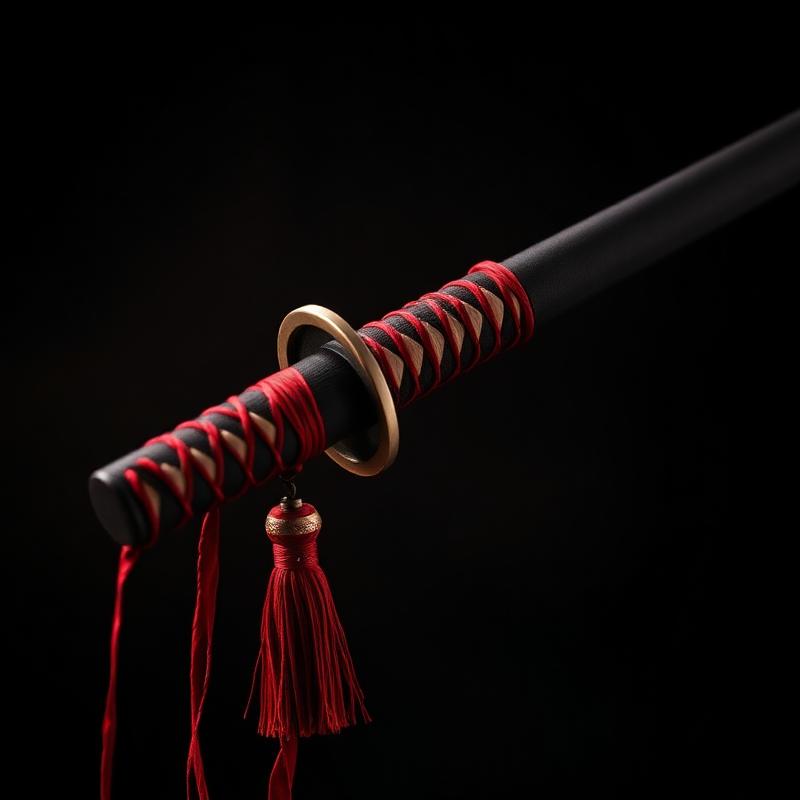
In Singapore, many students encounter Wushu first through MOE school teams, community centre classes or a neighbourhood club. Equipment usually comes later, once a coach confirms the right size, event and training level.
Training routes
Pathways For Different Learners
Young Beginners
Kids usually start with stance work, coordination drills, tumbling basics, flexibility, listening skills and short routines. Good beginner programmes keep training structured, safe and fun.
MOE School Athletes
School Wushu often builds discipline, teamwork and performance confidence. Students may train for demonstrations, graded routines, inter-school competitions and leadership roles.
Club Competitors
Dedicated clubs help athletes refine difficulty movements, competition routines, strength, jump quality, weapons handling and scoring details across a full season.
Adult Learners
Adults can start with fundamentals, taiji, traditional forms or fitness-focused classes. The right class depends on goals: health, heritage, performance, sparring or competition.
Singapore context
Schools, Clubs, CCs And Events
Singapore Wushu is unusually accessible because training happens through several overlapping networks. A child might begin in a MOE school programme, continue at a private club, perform at community events and later compete through a more intensive squad. An adult might start through a community class, then branch into taiji, traditional forms or personal coaching.
The island scale also helps. Families can compare nearby classes, travel to centralised events, buy specialist equipment locally and find coaches who understand school calendars, grading expectations, competition seasons and beginner concerns.
Wushu.SG exists to make that local map easier to read: clubs, CC classes, coaches, shops and events in one Singapore-focused directory.
Begin well
How To Get Started
Choose a class by location, schedule, age group and training goal before comparing fees.
Ask whether the programme is recreational, performance-focused, competition-focused or sanda-focused.
Visit a trial class and watch how coaches correct basics, manage safety and structure beginners.
Start with comfortable sportswear and flat indoor shoes before buying uniforms or weapons.
Expect basics to matter for a long time: stances, kicks, jumps, flexibility and posture are the foundation.
Use the directory to compare clubs, community classes, coaches, shops and events around Singapore.
Help Grow The Singapore Wushu Map.
Run a class, club, shop, event or coaching programme? Add it so families, students and adult learners can find the right place to train.